
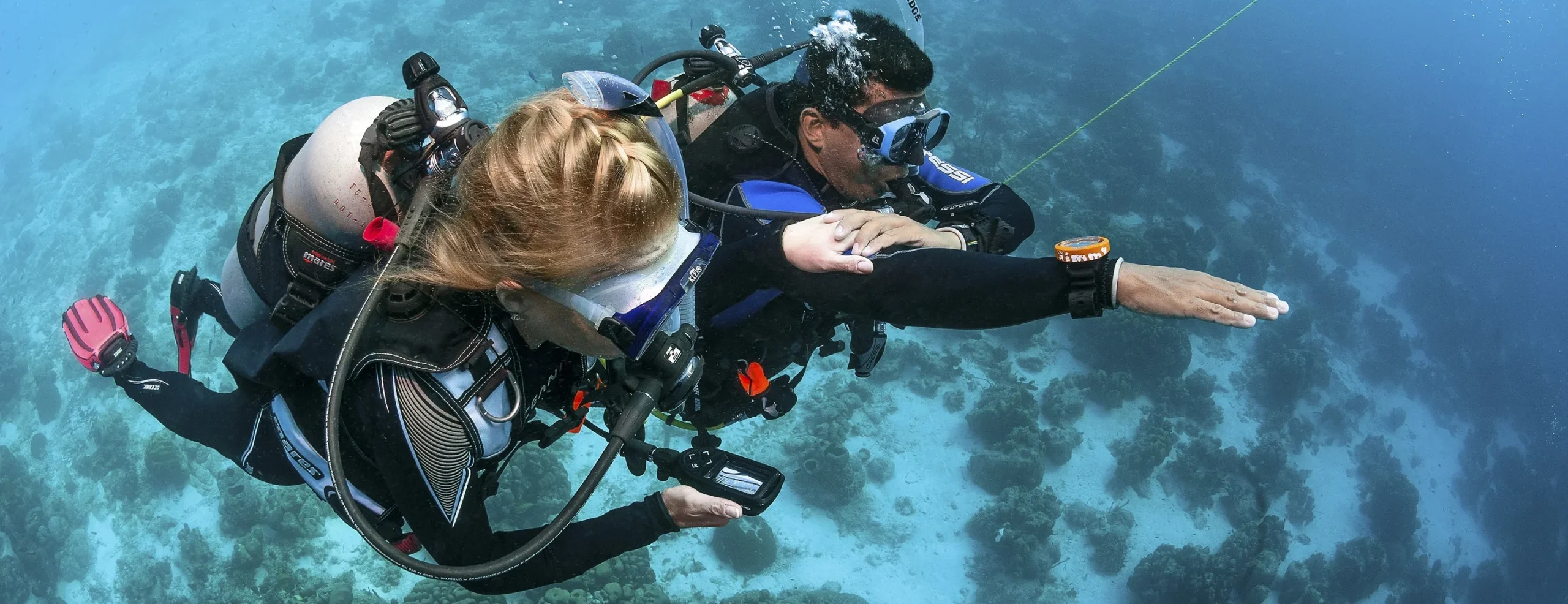
Most recreational divers reach a point where they feel genuinely comfortable underwater. Buoyancy is under control, air consumption has improved, and dives feel relaxed rather than rushed. At this stage, many divers assume they have mastered the fundamentals. However, one critical skill is often overlooked: underwater navigation skills.
Navigation is not simply about holding a compass and following a number. It is about awareness, decision-making, and confidence throughout the entire dive. Many newly certified divers rely heavily on following a guide, memorizing an entry point, or assuming that the reef will somehow look familiar on the way back. As long as conditions are calm and the group stays together, this approach feels sufficient. The problem appears when visibility drops, currents shift, or the dive does not go exactly as planned.
Poor scuba diving navigation is one of the most common causes of underwater stress. Losing orientation, misjudging distance, or surfacing far from the boat can quickly turn a pleasant dive into an uncomfortable experience. Unlike buoyancy or air consumption, navigation mistakes often go unnoticed until it is already too late to correct them easily.
Learning proper navigation transforms diving from passive following into confident, intentional exploration. That is why advanced underwater navigation training naturally becomes the next logical step for divers who already feel at ease underwater.
Why Buoyancy and Air Consumption Are Not Enough
Buoyancy keeps you stable and air management keeps you underwater longer. Neither skill tells you where you are or how to return safely to your exit point. Without navigation skills, divers often depend on dive leaders, fixed routes they remember from previous dives, or simple guesswork. Navigation is the skill that connects comfort with real control.
This is exactly why programs like the Advanced Open Water Diver course introduce navigation as a core component rather than an optional add-on. At this stage, divers are ready to stop following and start understanding.
What Underwater Navigation Really Involves
Effective underwater navigation skills combine several elements working together. Compass navigation includes accurate headings, reciprocal bearings, and distance estimation. Natural navigation involves reading reef structure, sand channels, light direction, and current movement. Situational awareness allows a diver to track position while monitoring depth, air, and buddy location. Team navigation ensures orientation is maintained without losing communication or control.
In places like diving in Roatan, where reef formations, swim-throughs, and currents vary from site to site, navigation quickly becomes a practical skill, not a theoretical one.
Common Navigation Mistakes Among Recreational Divers
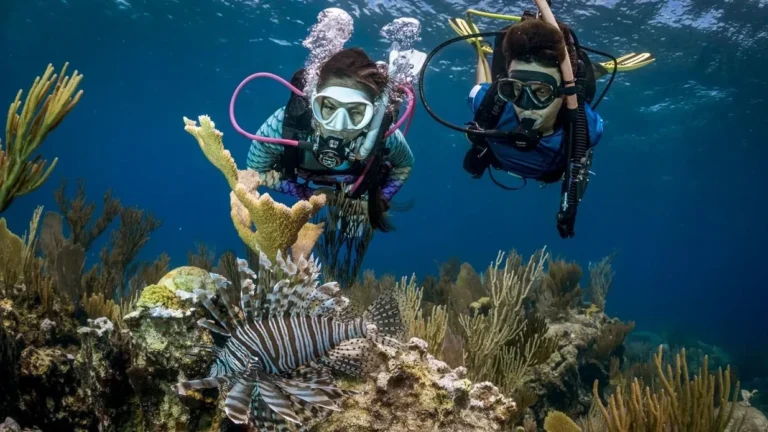
Many recreational divers only check their compass once they already feel lost. Others swim based on instinct instead of tracking headings and distance. Currents are often underestimated, and kick cycles are rarely counted. A common misconception is that navigation is only important for technical or cave diving, when in reality most navigation errors occur on simple recreational dives.
How Navigation Training Changes Your Diving
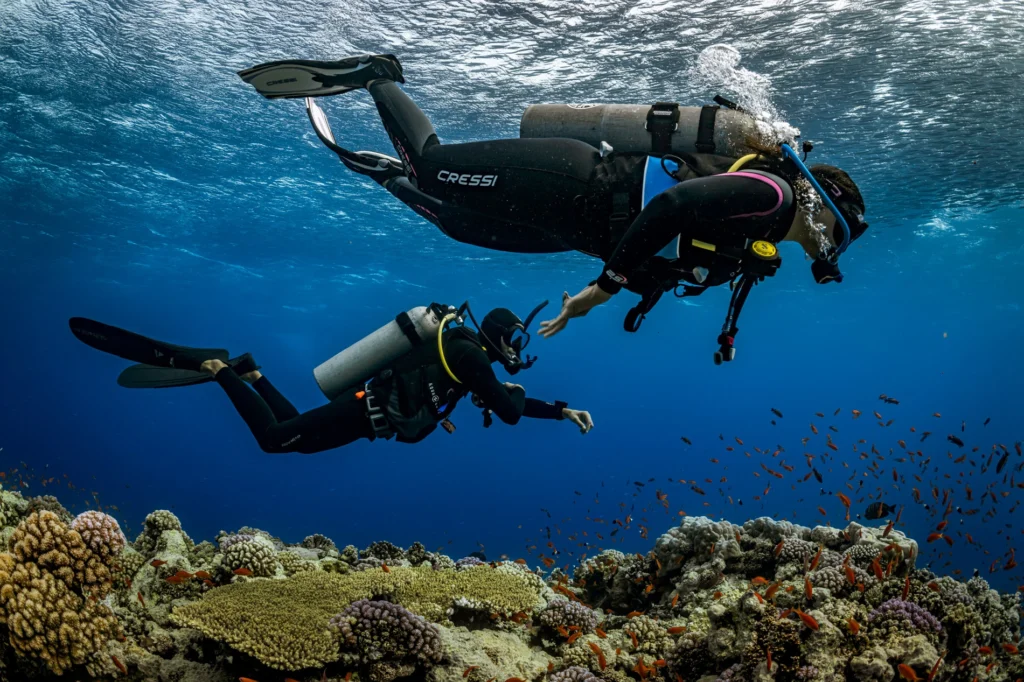
Advanced underwater navigation training builds confidence and reduces stress. Divers surface closer to their planned exit, manage dives more efficiently, and communicate better with their buddies. According to PADI standards, navigation is one of the key skills that bridges recreational diving and true diver independence.
For divers who want to go deeper into this skill, the Underwater Navigation Specialty offers focused training that dramatically improves precision, awareness, and confidence underwater.
The Next Logical Step for Comfortable Divers
If you already feel relaxed underwater, navigation is the skill that multiplies everything else you do. It turns comfort into control and control into freedom.
Ask yourself honestly: do you always know exactly where you are underwater, or are you still relying on someone else to lead the way?
Mastering scuba diving navigation does not just make you a safer diver. It makes every dive more intentional, more confident, and far more rewarding. If this resonates with you, advanced navigation training is probably your next step.