
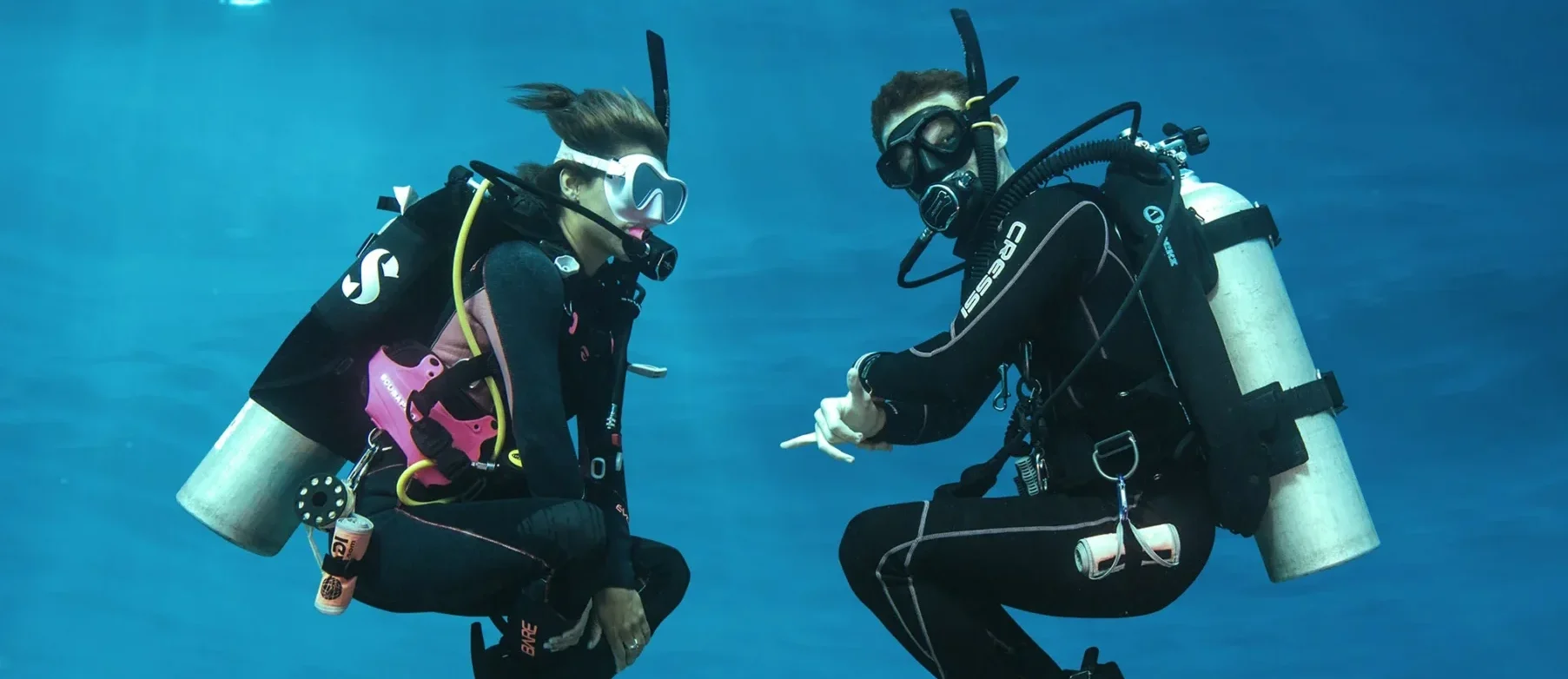
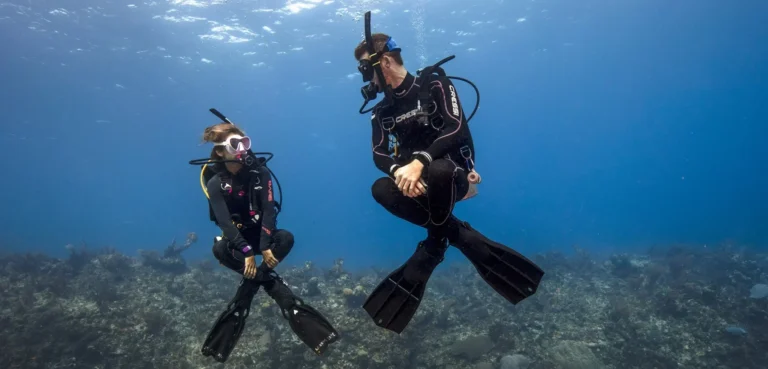
Many divers don’t realize they’re ending their dives early until they’re already back on the boat. Being the first one low on air is frustrating, especially when you feel like you’re not working that hard underwater.
In real-world diving, it’s easy to assume that improving air consumption comes down to larger tanks, better regulators, or simply logging more dives.
In my experience running a dive center and training divers at all levels, one of the most powerful and measurable factors affecting gas usage is buoyancy control.
In practice, perfect buoyancy is not about looking good underwater. It’s about moving less, breathing slower, and feeling more relaxed throughout the entire dive.
This is something I see constantly with guests who are just starting their diving journey, especially those coming straight from entry level training. During early continuing education courses like the Advanced Open Water course, air consumption is often the first frustration divers mention once they start going a bit deeper and spending more time underwater.
Newly certified divers often struggle with rapid air depletion because they are unknowingly fighting the water column. Overweighted divers kick harder, scull with their hands, and make constant depth adjustments, all of which increase exertion and breathing rate. Even experienced recreational divers can waste gas without realizing it by swimming slightly head up, finning when it is not needed, or hovering inefficiently near the reef.
How Does Buoyancy Affect Air Consumption?
Buoyancy, Effort, and Breathing Rate
When buoyancy is unstable, divers are forced into constant corrections using their fins or short bursts of air in the BCD.
As a result, these small but continuous movements raise heart rate and oxygen demand.
When effort increases, breathing becomes faster and less efficient.
This relationship between effort and breathing is well documented, and PADI frequently highlights buoyancy and relaxation as key factors in reducing gas usage, including in their guidance on improving air consumption for recreational divers.
Overweighting and Gas Waste
Overweighting is one of the most common causes of poor air consumption. Extra weight requires more air in the BCD to compensate, which increases drag and reduces stability. As a result, the body responds by finning more to hold position, using more energy and more gas.
This is often the first thing we correct during buoyancy-focused training, and it’s usually where divers see the fastest improvement in air consumption.
Perfect Buoyancy Diving and the Efficiency Advantage
Neutral Buoyancy Means Minimal Movement
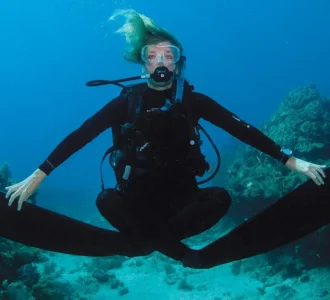
Perfect buoyancy allows you to hover effortlessly in the water column. When you are neutrally buoyant, movement becomes intentional instead of reactive. In practice, less movement means lower exertion, slower breathing rates, and better gas efficiency throughout the dive.
Divers who enroll in the Peak Performance Buoyancy Specialty often notice this change almost immediately.
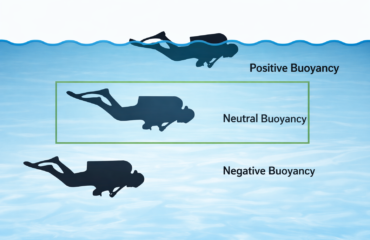
Horizontal Trim Reduces Drag
A flat, horizontal body position cuts through the water with less resistance. Reduced drag means less fin effort is required to move forward or maintain position, which directly translates into lower air consumption and a calmer dive experience.
Over time, this becomes even more noticeable during dives where precision and awareness matter, such as night dives, where maintaining position without excessive movement is essential for both comfort and safety.
Buoyancy Control Diving and Stress Reduction
As a result, stress becomes one of the biggest hidden air consumers. Poor buoyancy often creates task loading, depth anxiety, and constant corrections that pull attention away from the environment.
When buoyancy control improves:
● Breathing becomes slower and more controlled
● Mental workload
● Situational awareness improves
This relaxed state is particularly important during specialty dives like the Night Dive Specialty, where calm buoyancy control allows divers to focus on navigation, marine life, and communication instead of depth corrections.
Peak Performance Buoyancy Benefits That Extend Dive Time
Focused buoyancy training makes a measurable difference because it addresses the root causes of poor air consumption. Training emphasizes precise weighting, breath controlled depth changes, efficient finning techniques, and stable hovering in trim.
These same principles are reinforced in educational resources published by PADI, including their article on practical tips to improve air consumption, which aligns closely with what divers experience during buoyancy focused training in the water
What divers notice after improving buoyancy
After improving buoyancy, divers frequently report longer bottom times and a noticeable reduction in stress once buoyancy skills are refined, often without changing any equipment at all.
Practical Takeaways for Better Air Consumption
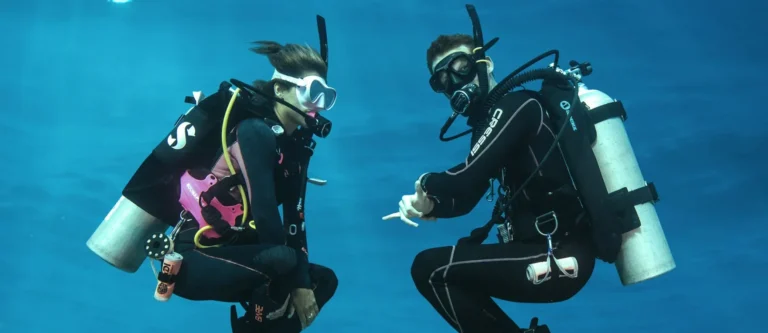
- ● Recheck your weighting regularly, especially when changing exposure protection
- ● Practice hovering without fin movement
- ● Use slow, deep breathing to fine tune buoyancy
- ● Maintain horizontal trim to minimize drag
Small changes that make a big difference
Small buoyancy improvements often deliver bigger gains than expensive gear upgrades.
If you want to work on your buoyancy and see how much it can improve your air consumption and dive enjoyment, the next step is simple. Get in touch with us to discuss focused buoyancy training or add it to your next diving plan, and start turning shorter dives into longer, calmer ones.
Hover Smarter, Breathe Longer
Answer 5 quick questions to see how buoyancy impacts your air consumption and dive time.